Premium Phosphosite-Specific 7TM Antibodies
Your Resource for GPCR Research
Select Your Country of Delivery below

GPR176 Receptor Antibodies
Close filters
No results were found for the filter!
NEW
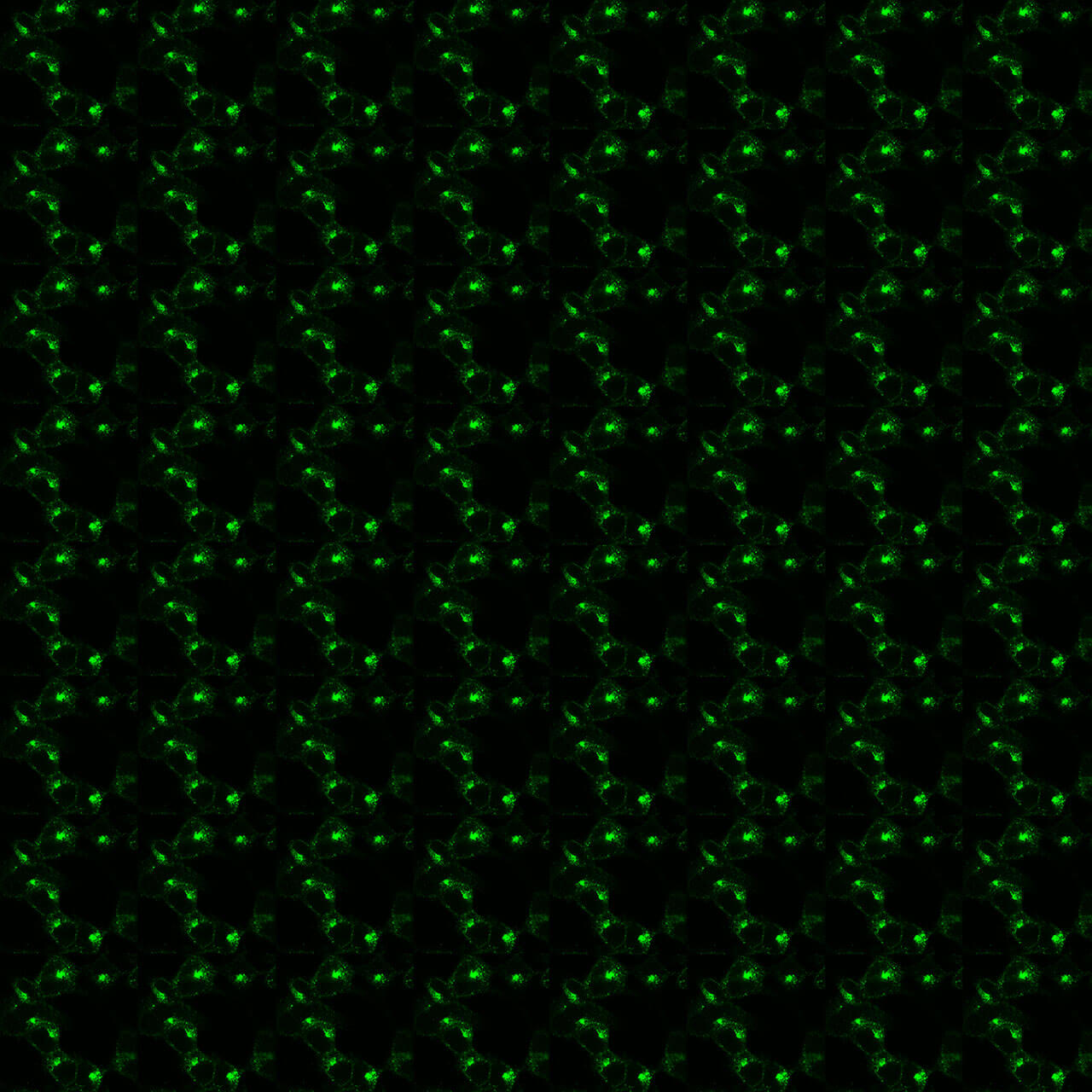
Validation of the GPR176 Receptor in transfected HEK293 cells.
GPR176 (non-phospho), G protein-coupled...
The non-phospho-GPR176 receptor antibody is directed against the distal end of the carboxyl-terminal tail of human GPR176. It can be used to detect total GPR176 receptors in Western blots independent of phosphorylation. The GPR176...
375.00 € *
NEW
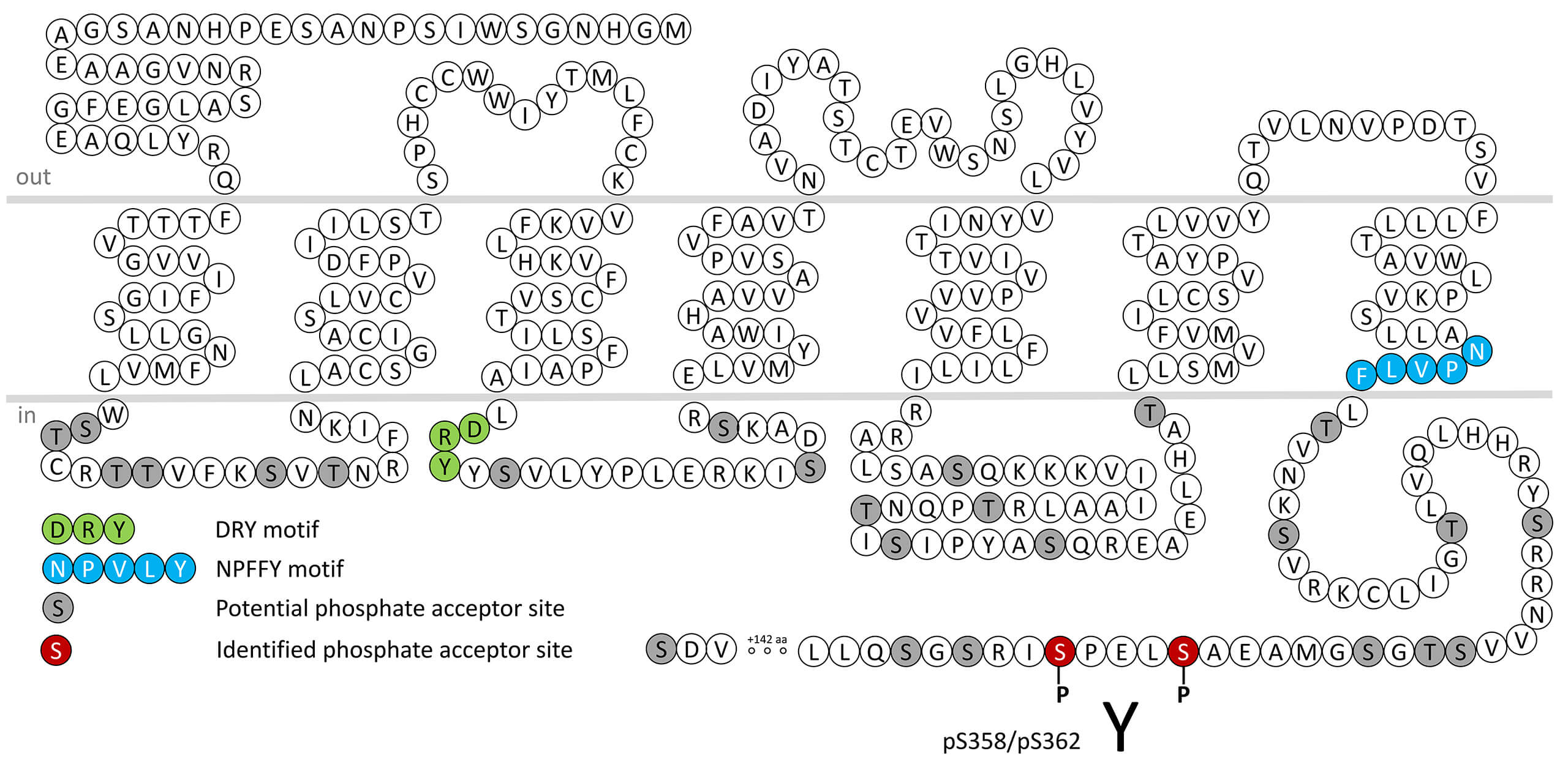
Serine358/Seine362 phosphorylation of the G-protein coupled Receptor 176.
pS358/pS362-GPR176 (phospho-GPR176 Antibody)
Serine358/Serine362 (S358/S362) is a major phosphorylation site of the human GPR176 receptor. The pS358/pS362-GPR176 antibody detects GRK-mediated constitutive phosphorylation as well as PKC-mediated phosphorylation of GPR176 when...
375.00 € *

G protein-coupled receptor 176 (GPR176), encoded by GPR176, is a class A orphan receptor with no conclusively established endogenous ligand. It exhibits constitutive activity through Gz, a pertussis toxin-insensitive member of the Gi/o family, thereby suppressing intracellular cAMP production. GPR176 is enriched in the suprachiasmatic nucleus of the hypothalamus, the principal mammalian circadian pacemaker. In mice, its expression oscillates across the circadian cycle, with higher protein levels during the night. Deletion of Gpr176 shortens the free-running circadian period, supporting a role in setting the pace of the central clock. N-linked glycosylation is required for efficient receptor expression at the cell surface and influences its ability to suppress cAMP signaling. The mechanisms governing receptor phosphorylation, desensitization, and internalization remain incompletely characterized. No GPR176-selective drug has been reported to enter clinical trials or receive approval for therapeutic use.GPR176 is constitutively phosphorylated by GRKs when expressed in HEK293 cells at carboxyl-terminal serine358/serine362 (pS358/pS362-GPR176). Serine358/serine362 is also substrate for PKC mediated phosphorylation. This nomenclature refers to the human GPR176 receptor. This phosphorylation motif is highly conserved across species but refers to pS357/pS361-GPR176 in mice and rats. For more information on GPR176 pharmacology please refer to the IUPHAR database. For further reading refer to:

Doi M, Murai I, Kunisue S, Setsu G, Uchio N, Tanaka R, Kobayashi S, Shimatani H, Hayashi H, Chao HW, Nakagawa Y, Takahashi Y, Hotta Y, Yasunaga J, Matsuoka M, Hastings MH, Kiyonari H, Okamura H. Gpr176 is a Gz-linked orphan G-protein-coupled receptor that sets the pace of circadian behaviour. Nat Commun. 2016 Feb 17;7:10583. doi: 10.1038/ncomms10583. PMID: 26882873; PMCID: PMC4757782.

Davenport AP, Alexander SP, Sharman JL, Pawson AJ, Benson HE, Monaghan AE, Liew WC, Mpamhanga CP, Bonner TI, Neubig RR, Pin JP, Spedding M, Harmar AJ. International Union of Basic and Clinical Pharmacology. LXXXVIII. G protein-coupled receptor list: recommendations for new pairings with cognate ligands. Pharmacol Rev. 2013 May 17;65(3):967-86. doi: 10.1124/pr.112.007179. PMID: 23686350; PMCID: PMC3698937.

Alexander SP, Battey J, Benson HE, Benya RV, Bonner TI, Davenport AP, Dhanachandra Singh K, Eguchi S, Harmar A, Holliday N, Jensen RT, Karnik S, Kostenis E, Liew WC, Monaghan AE, Mpamhanga C, Neubig R, Pawson AJ, Pin JP, Sharman JL, Spedding M, Spindel E, Stoddart L, Storjohann L, Thomas WG, Tirupula K, Vanderheyden P. Class A Orphans in GtoPdb v.2023.1. IUPHAR/BPS Guide to Pharmacology CITE. 2023; 2023(1). Available from: https://doi.org/10.2218/gtopdb/F16/2023.1.

G protein-coupled receptor 176 (GPR176), encoded by GPR176 , is a class A orphan receptor with no conclusively established endogenous ligand. It exhibits constitutive activity through Gz, a... read more »
Close window
GPR176 Receptor Antibodies

G protein-coupled receptor 176 (GPR176), encoded by GPR176, is a class A orphan receptor with no conclusively established endogenous ligand. It exhibits constitutive activity through Gz, a pertussis toxin-insensitive member of the Gi/o family, thereby suppressing intracellular cAMP production. GPR176 is enriched in the suprachiasmatic nucleus of the hypothalamus, the principal mammalian circadian pacemaker. In mice, its expression oscillates across the circadian cycle, with higher protein levels during the night. Deletion of Gpr176 shortens the free-running circadian period, supporting a role in setting the pace of the central clock. N-linked glycosylation is required for efficient receptor expression at the cell surface and influences its ability to suppress cAMP signaling. The mechanisms governing receptor phosphorylation, desensitization, and internalization remain incompletely characterized. No GPR176-selective drug has been reported to enter clinical trials or receive approval for therapeutic use.GPR176 is constitutively phosphorylated by GRKs when expressed in HEK293 cells at carboxyl-terminal serine358/serine362 (pS358/pS362-GPR176). Serine358/serine362 is also substrate for PKC mediated phosphorylation. This nomenclature refers to the human GPR176 receptor. This phosphorylation motif is highly conserved across species but refers to pS357/pS361-GPR176 in mice and rats. For more information on GPR176 pharmacology please refer to the IUPHAR database. For further reading refer to:

Doi M, Murai I, Kunisue S, Setsu G, Uchio N, Tanaka R, Kobayashi S, Shimatani H, Hayashi H, Chao HW, Nakagawa Y, Takahashi Y, Hotta Y, Yasunaga J, Matsuoka M, Hastings MH, Kiyonari H, Okamura H. Gpr176 is a Gz-linked orphan G-protein-coupled receptor that sets the pace of circadian behaviour. Nat Commun. 2016 Feb 17;7:10583. doi: 10.1038/ncomms10583. PMID: 26882873; PMCID: PMC4757782.

Davenport AP, Alexander SP, Sharman JL, Pawson AJ, Benson HE, Monaghan AE, Liew WC, Mpamhanga CP, Bonner TI, Neubig RR, Pin JP, Spedding M, Harmar AJ. International Union of Basic and Clinical Pharmacology. LXXXVIII. G protein-coupled receptor list: recommendations for new pairings with cognate ligands. Pharmacol Rev. 2013 May 17;65(3):967-86. doi: 10.1124/pr.112.007179. PMID: 23686350; PMCID: PMC3698937.

Alexander SP, Battey J, Benson HE, Benya RV, Bonner TI, Davenport AP, Dhanachandra Singh K, Eguchi S, Harmar A, Holliday N, Jensen RT, Karnik S, Kostenis E, Liew WC, Monaghan AE, Mpamhanga C, Neubig R, Pawson AJ, Pin JP, Sharman JL, Spedding M, Spindel E, Stoddart L, Storjohann L, Thomas WG, Tirupula K, Vanderheyden P. Class A Orphans in GtoPdb v.2023.1. IUPHAR/BPS Guide to Pharmacology CITE. 2023; 2023(1). Available from: https://doi.org/10.2218/gtopdb/F16/2023.1.
Recently viewed