Premium Phosphosite-Specific 7TM Antibodies
Your Resource for GPCR Research
Select Your Country of Delivery below

Immuno-Grade Somatostatin Receptor 4 Antibodies

Close filters
No results were found for the filter!
Rabbit Monoclonal
NEW
SST4 [UMB9] (RM-IHC-grade), Somatostatin Receptor 4 Antibody, Rabbit Monoclonal
SST4 [UMB9] (RM-IHC-grade), Somatostatin...
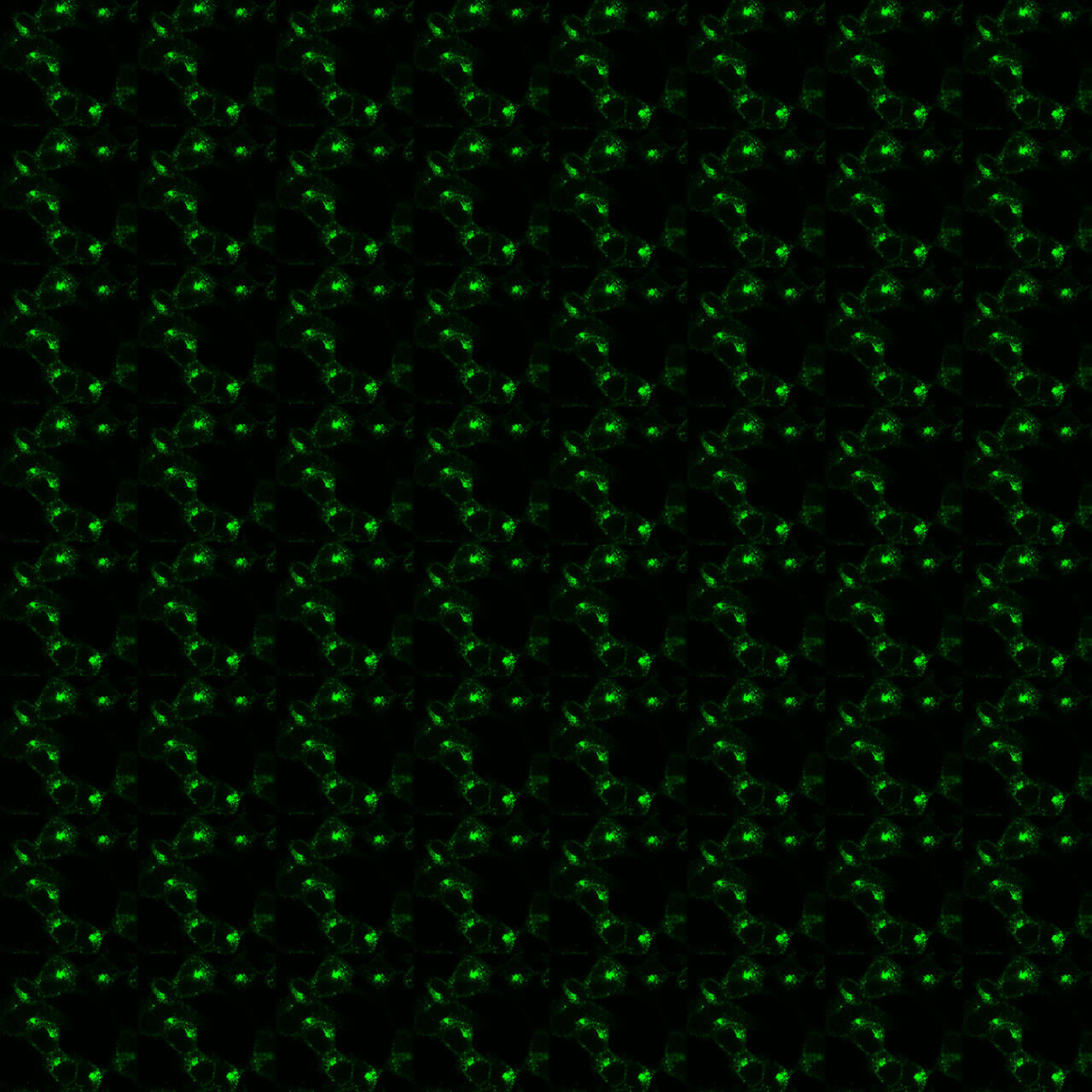
The SST4 receptor antibody is directed against the distal end of the carboxyl-terminal tail of human Somatostatin Receptor 4. In can be used to detect total SST4 receptors in Western blots independent of phosphorylation. The SST4...
495.00 € *

The somatostatin receptor subtype 4 (SST4, SSTR4) is a class A G protein-coupled receptor (GPCR) that is activated by the endogenous peptides somatostatin-14 and somatostatin-28. Like other somatostatin receptors, SST4 primarily couples to Gi/o proteins, leading to inhibition of adenylyl cyclase, reduced intracellular cAMP levels, activation of inwardly rectifying potassium channels, and inhibition of voltage-gated calcium channels. SST4 is predominantly expressed in the central nervous system, particularly in the cerebral cortex, hippocampus, amygdala, and spinal cord, with lower expression in peripheral tissues such as the lung and immune cells. Functionally, SST4 plays an important role in modulating nociception, neuroinflammation, cognition, anxiety, and neurotransmitter release, making it an attractive target for neurological disorders and chronic pain. Unlike SST2 and SST5, SST4 has only a minor role in regulating endocrine hormone secretion. Several selective non-peptide SST4 agonists, including NNC 26-9100, J-2156, and L-803087, have demonstrated analgesic, anti-inflammatory, anxiolytic, and cognition-enhancing effects in preclinical models. More recently, novel SST4 agonists such as CPL500036 have entered early clinical development for neuropathic pain and other central nervous system disorders. Although no SST4-selective drug has yet been approved for clinical use, the receptor remains a promising therapeutic target because selective activation is expected to provide beneficial CNS effects without the endocrine side effects associated with non-selective somatostatin analogs. For more information on SST4 pharmacology please refer to the IUPHAR database. For further reading refer to:

Petrich A, Mann A, Kliewer A, Nagel F, Strigli A, Märtens JC, Pöll F, Schulz S. Phosphorylation of threonine 333 regulates trafficking of the human sst5 somatostatin receptor. Mol Endocrinol. 2013 Apr;27(4):671-82. doi: 10.1210/me.2012-1329. Epub 2013 Feb 15. PubMed PMID: 23418396; PubMed Central PMCID: PMC5416807.

Lehmann A, Kliewer A, Märtens JC, Nagel F, Schulz S. Carboxyl-terminal receptor domains control the differential dephosphorylation of somatostatin receptors by protein phosphatase 1 isoforms. PLoS One. 2014 Mar 17;9(3):e91526. doi: 10.1371/journal.pone.0091526. eCollection 2014. PubMed PMID: 24637622; PubMed Central PMCID: PMC3956607.

Kliewer A, Mann A, Petrich A, Pöll F, Schulz S. A transplantable phosphorylation probe for direct assessment of G protein-coupled receptor activation. PLoS One. 2012;7(6):e39458. doi: 10.1371/journal.pone.0039458. Epub 2012 Jun 26. PubMed PMID: 22745760; PubMed Central PMCID: PMC3383726.

The somatostatin receptor subtype 4 (SST4, SSTR4) is a class A G protein-coupled receptor (GPCR) that is activated by the endogenous peptides somatostatin-14 and somatostatin-28. Like other... read more »
Close window
Immuno-Grade Somatostatin Receptor 4 Antibodies

The somatostatin receptor subtype 4 (SST4, SSTR4) is a class A G protein-coupled receptor (GPCR) that is activated by the endogenous peptides somatostatin-14 and somatostatin-28. Like other somatostatin receptors, SST4 primarily couples to Gi/o proteins, leading to inhibition of adenylyl cyclase, reduced intracellular cAMP levels, activation of inwardly rectifying potassium channels, and inhibition of voltage-gated calcium channels. SST4 is predominantly expressed in the central nervous system, particularly in the cerebral cortex, hippocampus, amygdala, and spinal cord, with lower expression in peripheral tissues such as the lung and immune cells. Functionally, SST4 plays an important role in modulating nociception, neuroinflammation, cognition, anxiety, and neurotransmitter release, making it an attractive target for neurological disorders and chronic pain. Unlike SST2 and SST5, SST4 has only a minor role in regulating endocrine hormone secretion. Several selective non-peptide SST4 agonists, including NNC 26-9100, J-2156, and L-803087, have demonstrated analgesic, anti-inflammatory, anxiolytic, and cognition-enhancing effects in preclinical models. More recently, novel SST4 agonists such as CPL500036 have entered early clinical development for neuropathic pain and other central nervous system disorders. Although no SST4-selective drug has yet been approved for clinical use, the receptor remains a promising therapeutic target because selective activation is expected to provide beneficial CNS effects without the endocrine side effects associated with non-selective somatostatin analogs. For more information on SST4 pharmacology please refer to the IUPHAR database. For further reading refer to:

Petrich A, Mann A, Kliewer A, Nagel F, Strigli A, Märtens JC, Pöll F, Schulz S. Phosphorylation of threonine 333 regulates trafficking of the human sst5 somatostatin receptor. Mol Endocrinol. 2013 Apr;27(4):671-82. doi: 10.1210/me.2012-1329. Epub 2013 Feb 15. PubMed PMID: 23418396; PubMed Central PMCID: PMC5416807.

Lehmann A, Kliewer A, Märtens JC, Nagel F, Schulz S. Carboxyl-terminal receptor domains control the differential dephosphorylation of somatostatin receptors by protein phosphatase 1 isoforms. PLoS One. 2014 Mar 17;9(3):e91526. doi: 10.1371/journal.pone.0091526. eCollection 2014. PubMed PMID: 24637622; PubMed Central PMCID: PMC3956607.

Kliewer A, Mann A, Petrich A, Pöll F, Schulz S. A transplantable phosphorylation probe for direct assessment of G protein-coupled receptor activation. PLoS One. 2012;7(6):e39458. doi: 10.1371/journal.pone.0039458. Epub 2012 Jun 26. PubMed PMID: 22745760; PubMed Central PMCID: PMC3383726.

Recently viewed