GPR162 Receptor Antibodies
GPR162 is an orphan class A GPCR whose endogenous ligand and precise pharmacological signaling mechanism remain incompletely characterized. The receptor is predominantly expressed in the central nervous system, with particularly high expression in the cerebral cortex, hippocampus, hypothalamus, amygdala and ventral tegmental area, where it is found in GABAergic and other neuronal populations. GPR162 expression is also detectable in the lung and reproductive tissues, although its physiological significance in these peripheral tissues is unclear. Recent studies have identified cocaine- and amphetamine-regulated transcript (CART) peptides as potential endogenous ligands or signaling partners for GPR162, particularly in pancreatic β-cells, where GPR162 appears to mediate CART-induced insulin secretion. In pancreatic islets, GPR162 is expressed in both β-cells and α-cells and appears to regulate hormone secretion and cytoskeletal organization. In the brain, its expression in hypothalamic and reward-related regions suggests a possible role in energy homeostasis, feeding behavior and hedonic responses to food. However, the receptor's definitive G-protein coupling, downstream signaling pathways and endogenous ligand pharmacology remain insufficiently established. No selective small-molecule agonists or antagonists for GPR162 are currently available as validated pharmacological tools. Consequently, no approved drug or clinical-stage therapeutic targeting GPR162 currently exists, although its potential involvement in metabolic regulation and CNS function makes it an interesting target for future drug discovery. For more information on GPR162 pharmacology please refer to the
IUPHAR database. For further reading refer to:
Davenport AP, Alexander SP, Sharman JL, Pawson AJ, Benson HE, Monaghan AE, Liew WC, Mpamhanga CP, Bonner TI, Neubig RR, Pin JP, Spedding M, Harmar AJ. International Union of Basic and Clinical Pharmacology. LXXXVIII. G protein-coupled receptor list: recommendations for new pairings with cognate ligands. Pharmacol Rev. 2013 May 17;65(3):967-86. doi: 10.1124/pr.112.007179. PMID: 23686350; PMCID: PMC3698937.
Alexander SP, Battey J, Benson HE, Benya RV, Bonner TI, Davenport AP, Dhanachandra Singh K, Eguchi S, Harmar A, Holliday N, Jensen RT, Karnik S, Kostenis E, Liew WC, Monaghan AE, Mpamhanga C, Neubig R, Pawson AJ, Pin JP, Sharman JL, Spedding M, Spindel E, Stoddart L, Storjohann L, Thomas WG, Tirupula K, Vanderheyden P. Class A Orphans in GtoPdb v.2023.1. IUPHAR/BPS Guide to Pharmacology CITE. 2023; 2023(1). Available from: https://doi.org/10.2218/gtopdb/F16/2023.1.

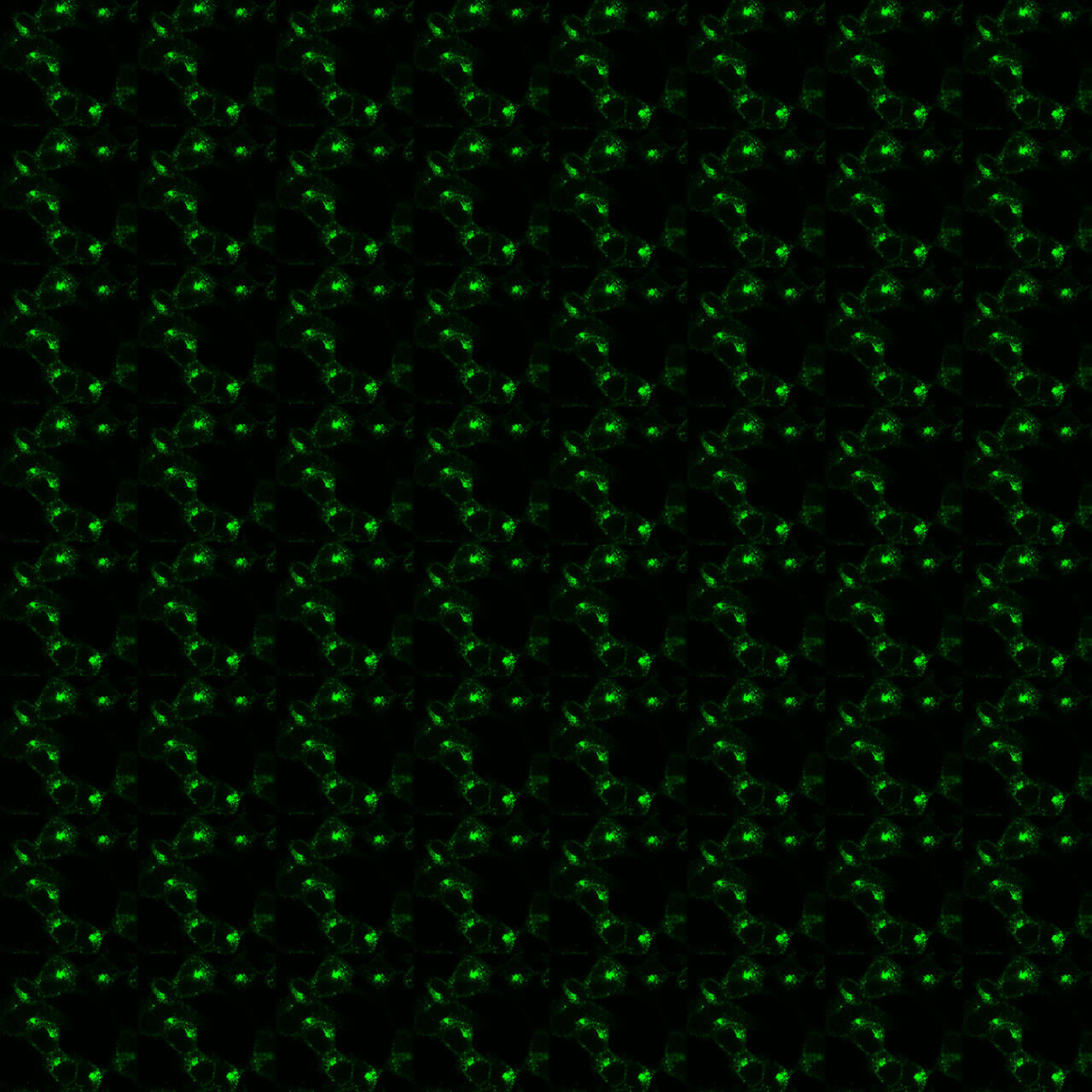
 GPR162 (non-phospho), G protein-coupled...