Premium Phosphosite-Specific 7TM Antibodies
Your Resource for GPCR Research
Select Your Country of Delivery below

ADGRG3/GPR97 Adhesion Receptor Antibodies

Close filters
No results were found for the filter!
NEW
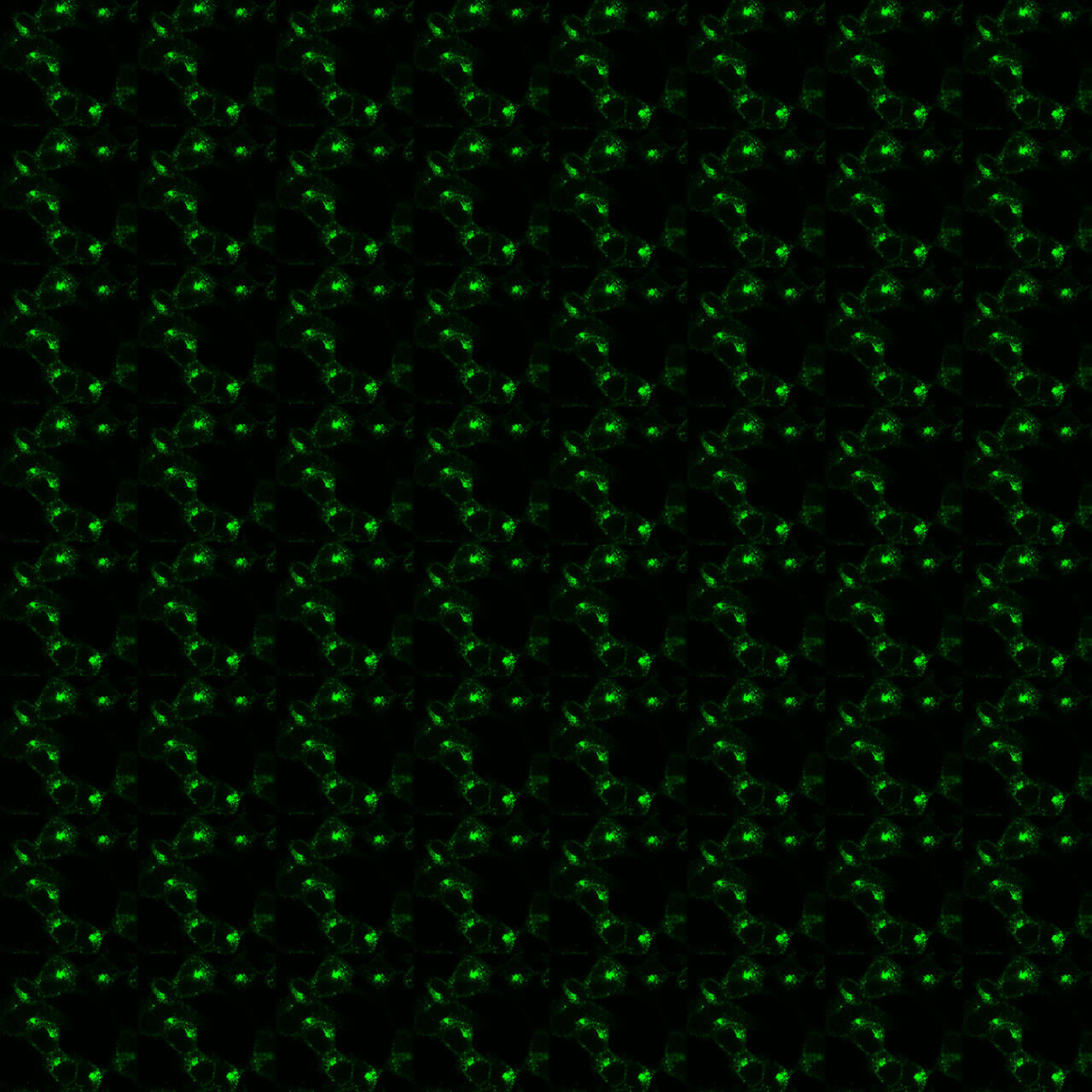
Validation of the GPR97/ADGR3G Receptor in transfected HEK293 cells
ADGRG3/GPR97 (non-phospho), Adhesion Receptor...
The non-phospho-ADGRG3/GPR97 receptor antibody is directed against the distal end of the carboxyl-terminal tail of human ADGRG3/GPR97. It can be used to detect total ADGRG3/GPR97 receptors in Western blots independent of phosphorylation....
375.00 € *

GPR97, also known as ADGRG3, is an adhesion class A GPCR that is particularly enriched in the hematopoietic system and is one of the most abundant adhesion GPCRs in granulocytes. The receptor is strongly expressed in neutrophils, eosinophils and basophils, beginning during granulocyte differentiation and increasing further during systemic inflammation. GPR97 undergoes autoproteolytic processing within its GAIN domain and can be activated through exposure of its endogenous tethered Stachel agonist. Recent studies indicate that GPR97 can couple promiscuously to Gi/o, Gs and G13 proteins, resulting in regulation of cAMP, MAPK, NF-κB and Rho-family signaling. In neutrophils, receptor activation promotes polarization, chemotaxis, reactive oxygen species production, protease activity and bacterial uptake and killing, indicating an important role in antimicrobial defense. GPR97 expression is also found in lymphatic endothelial cells and renal tubular epithelial cells, where it has been implicated in cell migration and renal physiology. Cortisol and the glucocorticoid beclomethasone dipropionate have been reported to bind GPR97, but recent evidence indicates that corticosteroids do not activate the receptor through its canonical tethered-agonist mechanism. Synthetic tethered-agonist peptidomimetics and the partial agonist 3-acetoxydihydrodeoxygedunin (3-α-DOG) can activate GPR97 and stimulate neutrophil migration and cAMP signaling. No approved drug or clinical-stage selective GPR97 agonist or antagonist is currently available, making GPR97 an interesting but still largely unexplored pharmacological target for inflammatory, infectious and potentially renal diseases. For more information on GPR97/ADGRG3 pharmacology please refer to the IUPHAR database. For further reading refer to:

Hamann J, Aust G, Araç D, Engel FB, Formstone C, Fredriksson R, Hall RA, Harty BL, Kirchhoff C, Knapp B et al.. (2015) International Union of Basic and Clinical Pharmacology. XCIV. Adhesion G protein-coupled receptors. Pharmacol Rev, 67 (2): 338-67.

GPR97, also known as ADGRG3, is an adhesion class A GPCR that is particularly enriched in the hematopoietic system and is one of the most abundant adhesion GPCRs in granulocytes. The receptor is... read more »
Close window
ADGRG3/GPR97 Adhesion Receptor Antibodies

GPR97, also known as ADGRG3, is an adhesion class A GPCR that is particularly enriched in the hematopoietic system and is one of the most abundant adhesion GPCRs in granulocytes. The receptor is strongly expressed in neutrophils, eosinophils and basophils, beginning during granulocyte differentiation and increasing further during systemic inflammation. GPR97 undergoes autoproteolytic processing within its GAIN domain and can be activated through exposure of its endogenous tethered Stachel agonist. Recent studies indicate that GPR97 can couple promiscuously to Gi/o, Gs and G13 proteins, resulting in regulation of cAMP, MAPK, NF-κB and Rho-family signaling. In neutrophils, receptor activation promotes polarization, chemotaxis, reactive oxygen species production, protease activity and bacterial uptake and killing, indicating an important role in antimicrobial defense. GPR97 expression is also found in lymphatic endothelial cells and renal tubular epithelial cells, where it has been implicated in cell migration and renal physiology. Cortisol and the glucocorticoid beclomethasone dipropionate have been reported to bind GPR97, but recent evidence indicates that corticosteroids do not activate the receptor through its canonical tethered-agonist mechanism. Synthetic tethered-agonist peptidomimetics and the partial agonist 3-acetoxydihydrodeoxygedunin (3-α-DOG) can activate GPR97 and stimulate neutrophil migration and cAMP signaling. No approved drug or clinical-stage selective GPR97 agonist or antagonist is currently available, making GPR97 an interesting but still largely unexplored pharmacological target for inflammatory, infectious and potentially renal diseases. For more information on GPR97/ADGRG3 pharmacology please refer to the IUPHAR database. For further reading refer to:

Hamann J, Aust G, Araç D, Engel FB, Formstone C, Fredriksson R, Hall RA, Harty BL, Kirchhoff C, Knapp B et al.. (2015) International Union of Basic and Clinical Pharmacology. XCIV. Adhesion G protein-coupled receptors. Pharmacol Rev, 67 (2): 338-67.

Recently viewed